

A Simple Guide for Seniors and Families
Communication has become an important part of everyday life, especially for older adults who want to stay connected with family and friends. A reliable phone provides comfort and reassurance, allowing seniors to talk with loved ones whenever they want. While modern devices offer many advanced features, not all of them are suitable for seniors who prefer simplicity and ease of use.
Choosing the right mobile phone for elderly users requires focusing on comfort and practicality rather than complicated features. Many seniors prefer devices that are easy to understand and simple to operate. A suitable phone helps older adults remain independent while also giving families peace of mind.
Technology should make life easier, not confusing. When seniors have a phone designed around their needs, they can communicate confidently without frustration.
Why Seniors Need Easy-to-Use Phones
Most modern phones are designed for people who are comfortable using apps and digital technology. Seniors often prefer straightforward devices that allow them to make calls or send messages without navigating through complex menus.
As people grow older, they may experience changes in vision, hearing, or hand movement. Small screens and tiny buttons can become difficult to use. A phone designed with seniors in mind offers a more comfortable experience and reduces the chances of mistakes.
A properly designed mobile phone for elderly users removes unnecessary complications and makes everyday communication simple. Seniors feel more confident using a phone when they know they can operate it easily without assistance.
Families also benefit because they know their loved ones can quickly make a call whenever they need help or support.
Important Features to Consider
When selecting a phone for seniors, the most useful features are often the simplest ones. A large display can make a significant difference because it allows users to read messages and see contacts clearly. Bright screens and clear text improve visibility and reduce eye strain.
Simple navigation is another important factor. Phones that offer clear menus and straightforward options help seniors avoid confusion. When a user can easily find the call button or contact list, daily communication becomes effortless.
Sound quality is equally important. Many seniors need louder volume levels to hear conversations clearly. A phone with strong audio output ensures carolina herrera bags that conversations remain clear even in noisy surroundings.
Comfortable design also plays a major role. A phone should be easy to hold and not too slippery. A stable grip makes daily use safer and more convenient.
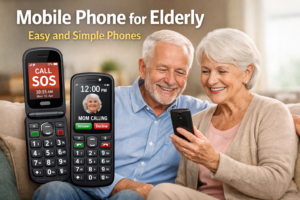
Safety features provide additional reassurance. Some phones allow quick emergency calls that connect seniors directly to family members or caregivers. These features support independence and provide security in unexpected situations.
Different Types of Phones for Seniors
Not all seniors prefer the same type of device. Some want the simplest phone possible, while others enjoy using modern technology.
Basic phones remain a popular option because they focus mainly on calling and texting. These devices are usually easy to operate and require very little learning. They also tend to have longer battery life, which reduces the need for frequent charging.
For many users, a basic mobile phone for elderly individuals provides exactly what is needed without unnecessary complications. Seniors who are new to mobile technology often feel comfortable starting with a simple phone.
Some seniors prefer smartphones because they allow video calls and messaging with family members. Modern smartphones can be adjusted to make them easier to use by increasing text size and simplifying the home screen.
Flip phones are another familiar option that many seniors appreciate. The physical keypad makes dialing easier, and the design protects the screen when the phone is closed. Many older adults find flip phones easier to handle than touchscreen devices.
Benefits of Senior-Friendly Phones
A suitable phone does more than provide communication. It helps seniors stay active and connected with the people who matter most in their lives.
The right mobile phone for elderly users allows seniors to maintain independence while staying in touch with family members. Instead of relying on others, they can make calls whenever they need assistance or simply want to talk.
Confidence often increases when seniors become comfortable using their phones. Technology becomes less intimidating once they understand how to use the device for everyday needs.
Families also gain reassurance because they can contact their loved ones easily. Regular communication strengthens relationships and reduces worry.
Helping Seniors Learn to Use Their Phones
Learning a new device may feel challenging at first, but simple guidance can make the process much easier. Seniors often learn best when they are shown one feature at a time rather than receiving too much information at once.
Starting with basic functions such as answering calls and dialing numbers helps build confidence. Once these tasks become familiar, additional features can be introduced gradually.
Practice is important for building comfort. Regular use helps seniors remember the steps and feel more relaxed with the device.
Writing down simple instructions can also be helpful. Clear notes allow seniors to review the steps whenever they need a reminder.
Mistakes to Avoid When Buying a Phone
Many people choose phones based on appearance or popularity instead of usability. This often results in a device that feels confusing or uncomfortable for seniors.
One of the biggest mistakes is selecting a phone with too many features. Extra functions may sound impressive but can make the phone difficult to understand.
Another common mistake is choosing a small device. Phones with tiny screens can be difficult to read and operate comfortably.
Battery performance is another factor that should not be ignored. Phones that require frequent charging can become inconvenient for seniors.
Selecting the right mobile phone for elderly users requires careful attention to comfort and simplicity instead of focusing only on modern features.
Making Phones Easier for Seniors
Many phones can be adjusted to better suit older users. Increasing text size and enlarging icons can make reading easier and reduce strain on the eyes.
Setting up frequently used contacts allows seniors to make calls quickly without searching through long contact lists. Louder ringtones and vibration alerts can help ensure that incoming calls are not missed.
Voice commands can also make operation easier for seniors who prefer speaking instead of typing. Simple adjustments like these can transform an ordinary phone into a senior-friendly device.
Choosing a Phone That Will Last
It is important to choose a device that will remain useful over time. Seniors may need additional accessibility features in the future, so selecting a phone with adjustable settings is a smart decision.
A reliable mobile phone for elderly users should be durable and easy to maintain. Long battery life and strong build quality help ensure that the phone continues to work well over the years.
It is also helpful when family members understand how the phone works so they can provide assistance if needed.
Budget Considerations
A higher price does not always mean a better phone for seniors. Many affordable devices offer all the necessary features for comfortable daily use.
The best approach is to focus on usability rather than price alone. A simple and reliable phone is often more valuable than an expensive device filled with features that may never be used.
A carefully selected mobile phone for elderly users can provide excellent value while meeting all essential communication needs.
Conclusion
Choosing the right phone for seniors requires thoughtful consideration and understanding of their needs. The ideal device should be simple, comfortable, and reliable enough for everyday communication.
A well-chosen mobile phone for elderly users allows seniors to stay connected with confidence and independence. With the right device and a little guidance, older adults can enjoy the benefits of modern communication without unnecessary complexity.
FAQs
1. What is the easiest phone for seniors to use?
Phones with large screens, simple menus, and clear sound are usually the easiest for seniors to operate comfortably.
2. Can seniors use smartphones easily?
Yes, smartphones can be easy to use when text size is increased and the interface is simplified.
3. Why do seniors prefer simple phones?
Simple phones reduce confusion and make it easier to perform basic tasks like calling and messaging.
4. What is the most important feature in a senior phone?
Clear display and loud sound are usually the most important features for comfortable use.
5. Are basic phones better than smartphones for seniors?
Basic phones are often easier for beginners, while smartphones are better for seniors who want more features.